Why Social Connection Matters More Than You Think
When you retire, you're not just leaving a job — you're leaving a whole social ecosystem. Your colleagues, the casual chats by the coffee machine, the shared purpose. It's easy to underestimate how much that structure mattered until it's gone.
But here's the thing: research consistently shows that strong social connections are one of the biggest predictors of happiness and longevity in retirement. People who stay socially active report better physical health, sharper minds, and genuine satisfaction with their lives. We're not talking about surface-level friendships — we mean real, meaningful connections where you feel valued and understood.
The challenge isn't that you can't build these connections. It's that you'll need to be intentional. After retirement, nobody's organizing the office social anymore. You're creating your own community from scratch, and that takes a bit of effort. The good news? It's absolutely worth it, and there are proven ways to do it well.
Start With What You Already Love
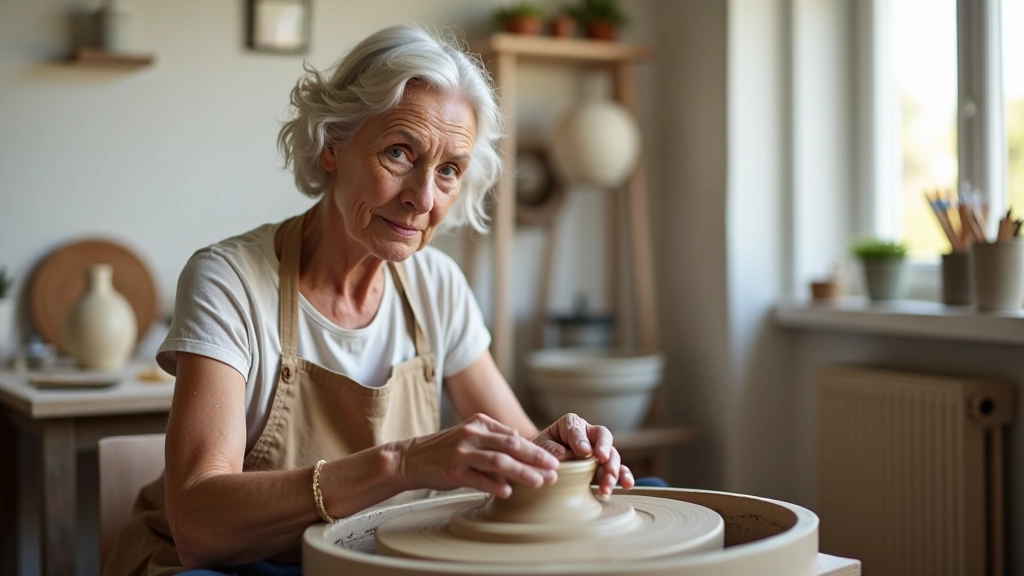
The easiest way to build friendships? Do something you actually enjoy. Don't force yourself into book clubs if you don't like reading. Don't join a hiking group if you'd rather be indoors. Find activities that genuinely interest you, and the social part happens naturally.
Start here: What did you used to enjoy before retirement? Cooking, painting, gardening, dancing, tennis? These are your entry points. A cooking class isn't just about learning new recipes — it's about being around other people who share that interest.
Classes and clubs work because they give you built-in structure and shared purpose. You're all showing up for the same reason, which takes away the awkwardness of "why are we meeting?" You've got something to do together. Plus, you see the same faces regularly. Friendships build through repeated interaction — showing up to pottery class every Tuesday creates natural opportunities for conversations that go beyond small talk.
Important Note: This article is educational and informational in nature. The strategies and suggestions are based on common practices in retirement coaching and active ageing programs. Everyone's situation is unique — factors like mobility, health, location, and personal preferences affect what works best for you. If you're dealing with significant social isolation or mental health challenges, consider speaking with a qualified therapist or counselor. For specific coaching tailored to your circumstances, reach out to a retirement specialist in your area.
Three Proven Paths to Meaningful Friendships
Join Interest-Based Groups
Volunteer organizations, hobby clubs, fitness classes, language groups — these give you automatic social infrastructure. You're not trying to make friends in a void. You're learning something or doing something meaningful, and friendships develop as a side effect. Look for groups that meet regularly. Consistency matters.
Reconnect With Your Past
You've probably got old friends, former colleagues, or distant relatives you've lost touch with over the years. Reaching out feels awkward sometimes, but retirement is the perfect moment to rebuild those connections. A simple message like "I was thinking about you — fancy a coffee?" works. Most people respond positively. You've already got history together, which skips the awkward "getting to know you" phase.
Become a Regular Somewhere
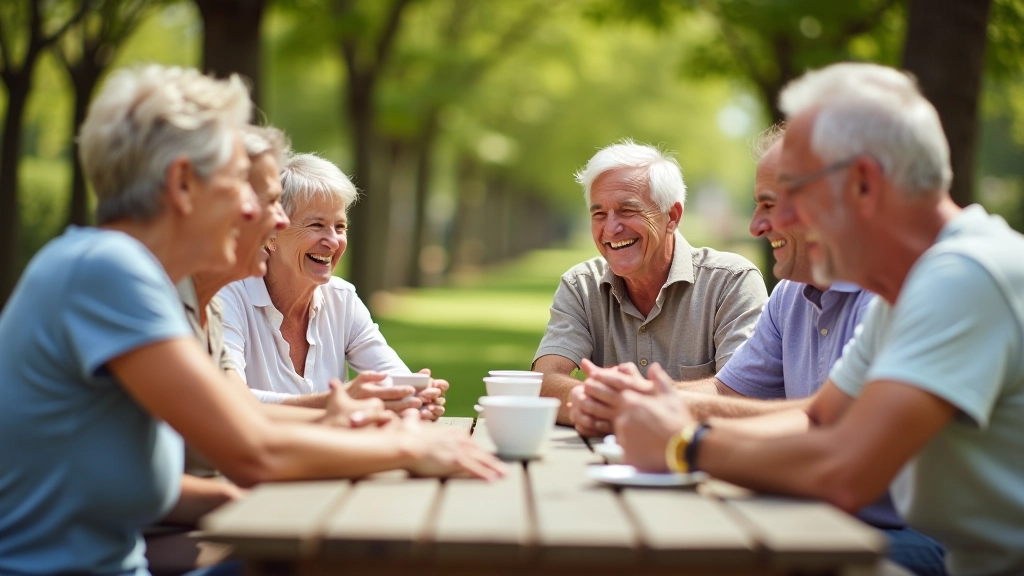
This sounds simple because it is. Have your morning coffee at the same café. Walk in the same park at the same time. Join the same gym. Over weeks and months, you start seeing familiar faces. Casual conversations build into acquaintanceships, and some become real friendships. No pressure, no forced socializing — just being somewhere regularly and letting relationships develop naturally.
The beauty of these three approaches is that they're all low-pressure. You're not "trying to make friends" in a way that feels desperate or calculated. You're just showing up, being yourself, and letting connections happen. And they will. People are generally drawn to others who are engaged, interested, and regularly present.
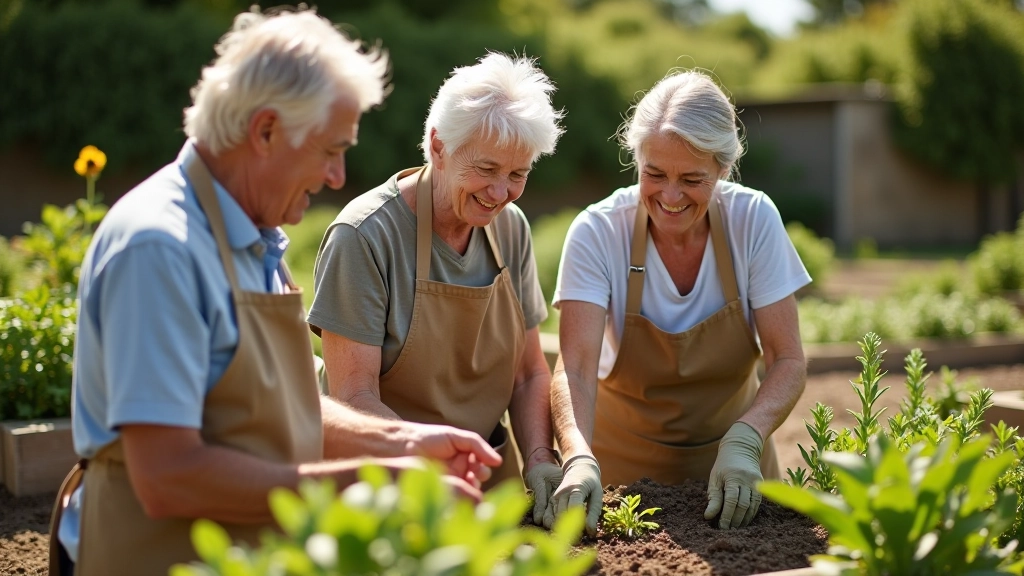
Making the First Move (It's Less Scary Than You Think)
The hardest part isn't finding groups or activities. It's actually showing up and putting yourself out there, especially if you've been out of the "making friends" game for decades.
Show Up Twice
Commit to attending any group or class at least twice. The first time, you're nervous and everything feels new. By the second time, you recognize faces and it feels more comfortable. This simple repetition makes a huge difference in how you experience the group.
Ask One Question
Don't try to be the life of the party. Just ask someone a genuine question: "How long have you been coming here?" or "What brings you to this class?" People love talking about themselves. You'll be surprised how far a single, sincere question takes you.
Suggest Coffee
Once you've chatted a couple of times, it's totally normal to suggest continuing the conversation outside the group. "I really enjoyed talking with you — fancy a coffee sometime?" It's low-pressure and shows genuine interest without being demanding.
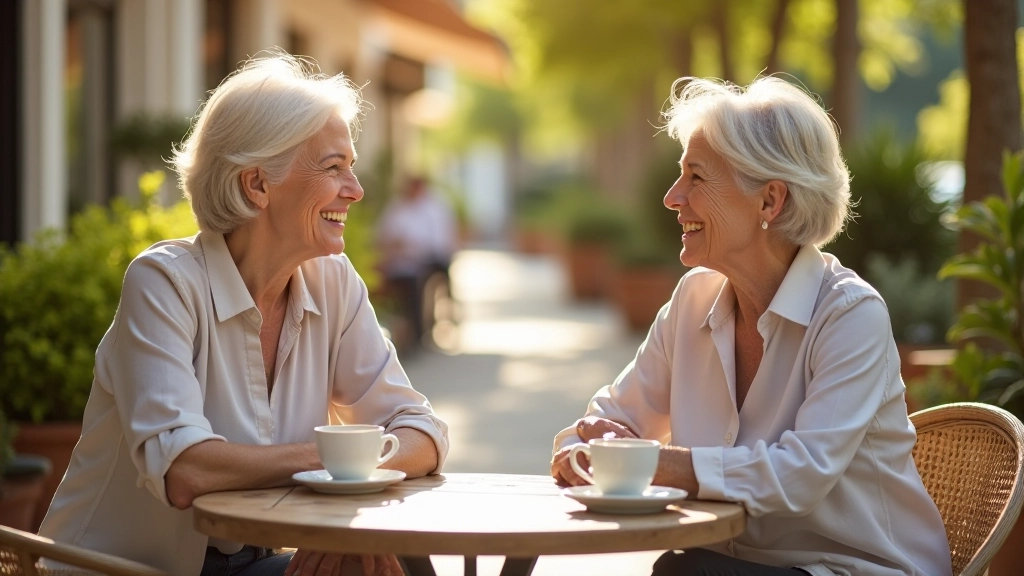
Here's what's remarkable: most people worry about being a bother or seeming desperate. In reality, most people are thrilled when someone takes genuine interest in them. Loneliness isn't just your problem — it's a widespread challenge after retirement. When you make a move, you're often answering someone else's unspoken wish for connection.
Quality Over Quantity — Building Depth
You don't need dozens of friends. Research on friendships in retirement shows that 3-5 genuine, close friendships are worth more than a dozen superficial acquaintances. This is actually good news, because it's easier to build depth than breadth.
Deep friendships share these qualities:
- You can be honest and vulnerable, not just keeping things surface-level
- You're in regular contact — not just occasional meetups
- You genuinely care about what's happening in each other's lives
- You make time for each other, even when it requires a bit of effort
- You can disagree without the friendship falling apart
These aren't mysterious qualities. They develop naturally when you show up consistently and are genuinely interested in another person. The key is patience. Friendships don't form overnight. But with regular interaction and real care, they deepen surprisingly quickly.
Your Next Chapter Is a Social Opportunity
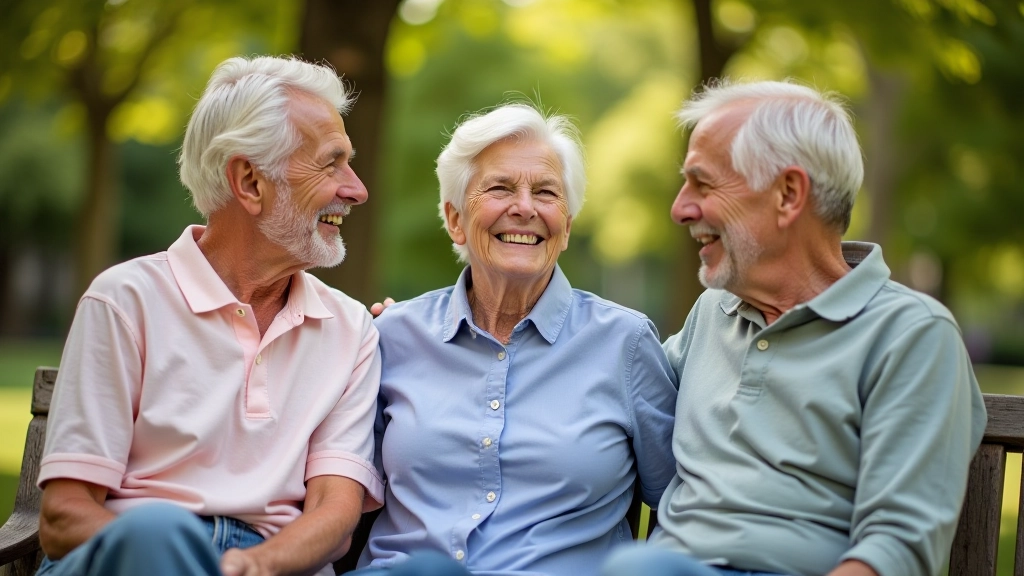
Retirement doesn't have to mean isolation. It's actually one of the best times in your life to build meaningful friendships because you finally have the time and freedom to do it intentionally. You're not juggling work commitments or family obligations in the same way. You can invest energy into relationships.
Start small. Choose one activity or group that interests you. Show up. Talk to someone. The rest follows naturally. And if you stumble, that's fine too — everyone does when they're building new friendships. The important thing is starting.
Your retirement is for living fully, and part of that is being genuinely connected to other people. You've got this.
Interested in Personalized Retirement Coaching?
Explore our active ageing programs and coaching services tailored to retirees in Portugal.
Learn More About Our Programs