

Walking Groups: The Gateway to Regular Activity
Walking is the simplest place to start. You don't need equipment. You don't need special clothes. You just need shoes that fit properly and a time that works for your schedule. Many retirees tell us they underestimate walking—they think it's too easy to count as "real exercise." But that's not how it works.
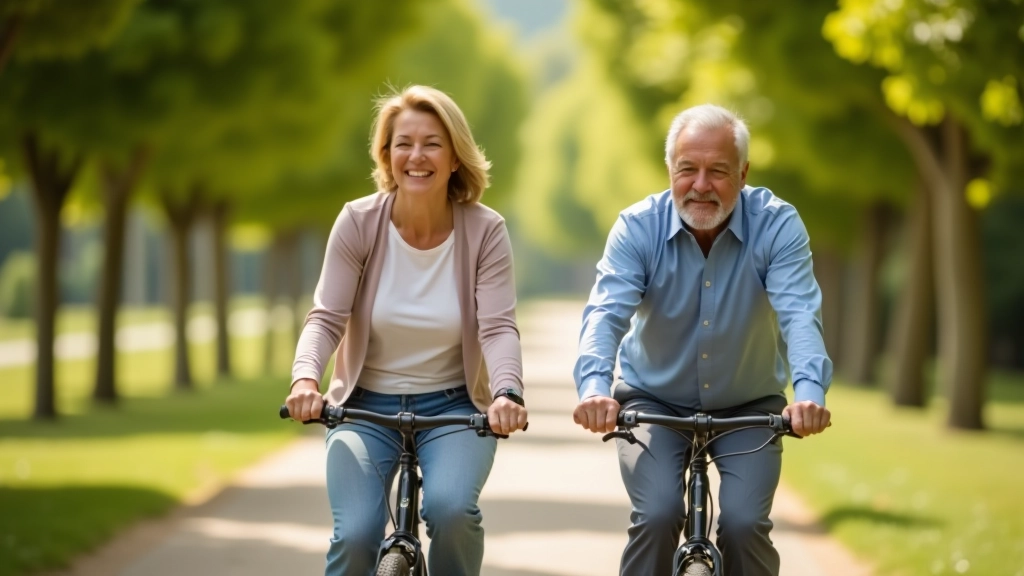
Structured walking groups change everything. Instead of a solo 20-minute stroll, you're part of a group doing three 45-minute walks per week. You've got company, you've got accountability, and you've got a rhythm. Groups in the Algarve typically cover 4-5 kilometers per session. After about 8 weeks, people notice their breathing gets easier, their knees feel better, and they've got more energy in the afternoons.
The social piece matters too. You're not just exercising—you're talking with people, learning local walking routes, maybe stopping for coffee afterward. That's why people stick with walking groups. They're not grinding through a workout. They're connecting with others while their bodies get stronger.

Important Note: This article provides educational information about physical activity programs for retirees. It's not medical advice. Before starting any new exercise program—especially if you have existing health conditions or haven't been active in a while—consult your doctor. They can help you choose programs that fit your specific health situation.
Water Aerobics: Low Impact, High Results
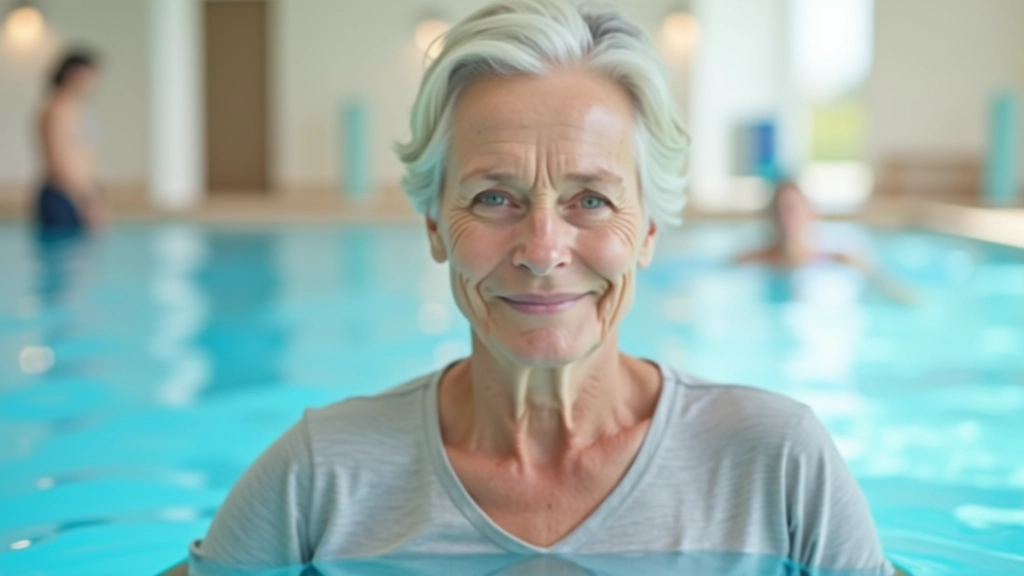
Water changes everything about exercise. The buoyancy supports your body weight, which means zero impact on your joints. Your knees, hips, and lower back aren't absorbing shock. Instead, you're building strength while the water does the supporting.
A typical water aerobics class runs 45-60 minutes. The first 10 minutes warm up your muscles. Then you're doing movements that work your core, legs, and upper body—but in water, so it feels easier than it actually is. The resistance is constant. You're pushing against water in every direction. By week three, people report better posture, more confidence moving around, and less stiffness when they get out of bed.
Classes run twice per week typically. Cost ranges from affordable community center programs to upscale facilities. Most retirees we've worked with find it's worth it because the results are real and the activity is genuinely enjoyable. You're in a warm pool, you're moving your body, and you're not stressed about keeping up or looking awkward.
Yoga and Flexibility Work: Building Strength Quietly
Yoga gets misunderstood. People think it's either extremely hard (those Instagram contortionists) or it doesn't really count as exercise. Neither is true. Yoga for retirees is deliberately gentle. You're holding poses, building stability, and learning to move without pain.
The benefits show up everywhere. Better balance means fewer falls. Stronger core muscles mean better posture and less back pain. Improved flexibility means you can bend down to pick something up, turn around in your car seat, and reach things without strain. Classes run 50-75 minutes and focus on fundamental poses adapted for different mobility levels.
We recommend starting with beginner or "gentle" classes specifically labeled for older adults or retirees. Instructors in these classes understand your body. They offer modifications. They don't push you into poses that hurt. Most people practice 2-3 times per week. After 6-8 weeks, the flexibility gains become noticeable. Your body feels more capable.
Strength Training: Simple and Effective
Strength matters more after retirement. Your muscle naturally declines if you don't use it. Two 30-minute strength sessions per week completely change that trajectory. You're not lifting heavy weights. You're using light dumbbells, resistance bands, and your own body weight to rebuild what matters: the muscles that keep you independent.
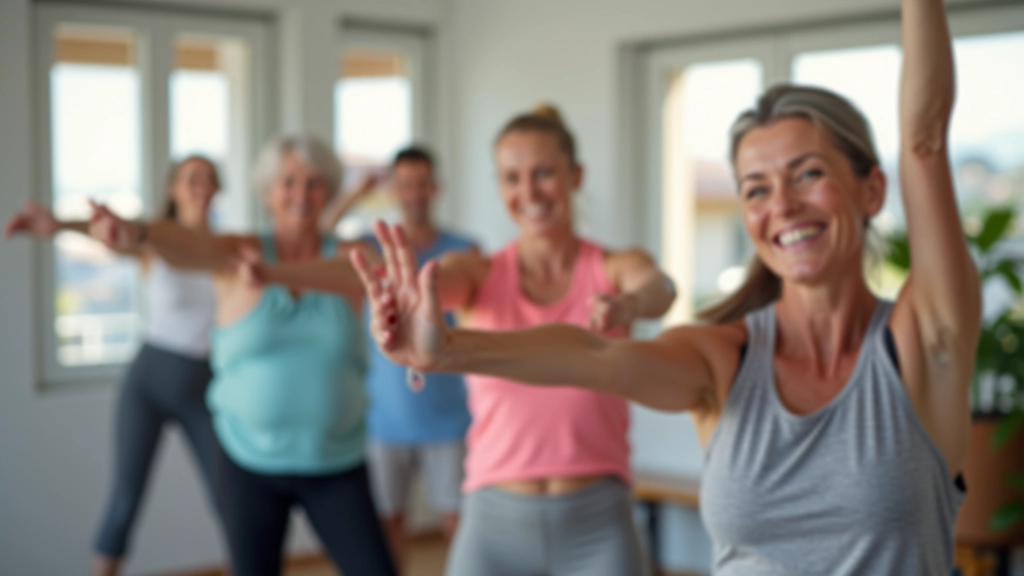
Classes focus on functional movements. Squats help you get up from a chair. Rows strengthen your back and posture. Arm work helps you carry groceries and reach overhead. Instructors demonstrate modifications for different fitness levels. Nobody's comparing themselves to someone else. Everyone's just doing their own version of the workout.
Results appear fast. Within 4 weeks, climbing stairs gets easier. Your energy improves. You feel more stable. After 8 weeks, clothes fit differently because you're building muscle while losing fat. That's the real transformation—not dramatic, but real and lasting.
Choosing Your Program: What Actually Works
The best program isn't the one that looks impressive. It's the one you'll actually do. Start by thinking about what you enjoy. Do you like being outdoors? Walking groups. Do you have joint pain that limits impact activities? Water aerobics. Do you want to feel more flexible and calm? Yoga. Do you want to feel genuinely strong? Strength classes.
Consider scheduling too. Programs work when they fit your life. If you're a morning person, find classes that run at 7 or 8 AM. If you prefer afternoons, look for 3 or 4 PM slots. If you want social connection, group classes matter. If you prefer independence, home-based programs with online instruction work well.
Most retirees benefit from mixing approaches. Maybe you walk three times per week and do yoga twice. Maybe you do water aerobics twice and strength training once. Variety prevents boredom and works different parts of your fitness. The consistency matters infinitely more than perfection.
The Real Benefit: A Stronger, More Engaged Life
Physical activity after retirement isn't about competing or achieving fitness milestones. It's about maintaining the strength and energy to do the things you actually want to do. It's about climbing stairs without catching your breath. It's about picking up your grandchildren without strain. It's about having the energy and confidence to explore your city, travel, and engage with the world around you.
The programs that work are the ones you choose intentionally and practice consistently. Start somewhere. Try a walking group for four weeks. Take a water aerobics class. Join a yoga session. Pay attention to how your body feels. Notice the energy shifts. Most retirees find that within 6-8 weeks of regular activity, they feel genuinely different—stronger, more capable, and honestly more satisfied with their days.
You've got time now. You've got the chance to invest in your physical health in ways that weren't possible when you were working. That's not something to waste. Find your program. Show up. Feel the difference.